
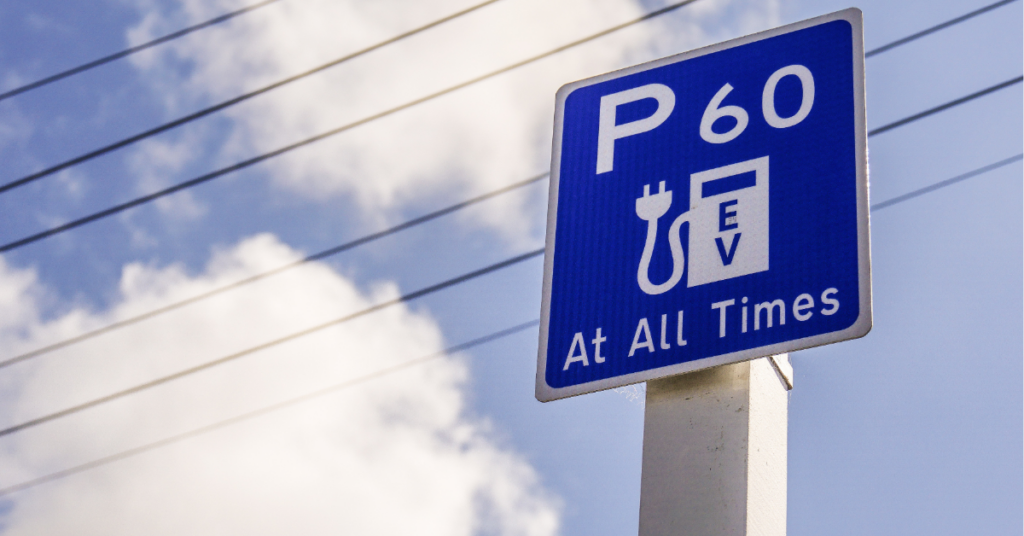

The rollout of electric vehicle (EV) chargers across New Zealand is set to speed up, following changes that remove planning barriers and simplify the consent process.
The Government has introduced amendments to the National Environmental Standards for Electricity Transmission Activities (NES-ETA), which will come into force on 7 May 2026. These changes create nationally consistent rules for EV charging infrastructure, replacing what has previously been a fragmented system of local council requirements.
Under the outgoing system, RMA Reform Minister Chris Bishop said, anyone installing EV charging infrastructure “has had to navigate a confusing patchwork of local rules, creating uncertainty, delays and unnecessary costs for infrastructure that is typically small-scale”.
Cutting red tape to boost infrastructure
The new rules establish permitted activity standards for a range of EV charging types, including private chargers, those in transport corridors, chargers linked to existing sites such as supermarkets and standalone charging hubs.
Mr Bishop said the aim was to make installation faster while still managing potential impacts. “By setting clear national rules, we’re making it much quicker and easier to get chargers in the ground, while still managing effects appropriately,” he said.
“For the first time, the NES-ETA explicitly includes EV charging infrastructure, with permitted activity rules covering the full lifecycle from construction through to operation, upgrade and replacement.”
Demand for EVs has been growing, even before the current fuel challenges, Mr Bishop said. “But a lack of public chargers is still holding people back.”
Investment and future targets
The regulatory changes sit alongside new funding initiatives, including $52.7 million in zero-interest loans and co-investment to expand the charging network.
New Zealand currently has just over 1,800 public charging points, but that number is expected to more than double to around 4,550. The Government has set a longer-term goal of 10,000 chargers by 2030.
Mr Bishop said simplifying the consent process would be critical to achieving that target, particularly as rising fuel costs and global uncertainty drive more interest in EVs.
What this means for households
While EV infrastructure may seem separate from housing, it is becoming increasingly relevant to property decisions. Access to charging – whether at home or nearby – is becoming a consideration for buyers, renters and investors alike.
As EV adoption grows, properties with existing charging capability or the ability to install it easily may become more attractive over time.
Financing the move to a greener home
Beyond public infrastructure, many Kiwis are looking at how they can upgrade their own homes to support an EV. Most major banks now offer a Green Loan option to help finance eco-friendly upgrades like home charging stations, solar panels, and the vehicles themselves. These specialised products can offer significantly lower interest rates than a standard home loan.
Because these upgrades can reduce daily running costs and improve a property’s future-readiness, they are becoming a popular strategic move for homeowners looking to build long-term value.
If you’re planning a property purchase, refinance or new build, it’s worth considering how future trends like EV adoption could influence your decisions. Contact us to discuss how these factors may fit into your long-term property strategy.