
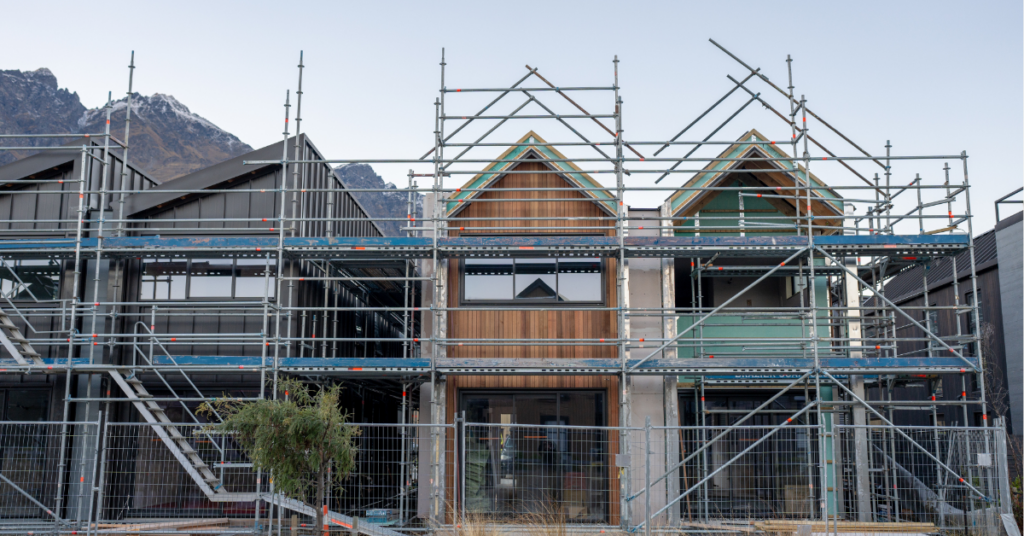

New Zealand’s homebuilding pipeline continues to strengthen, with the latest figures from Stats NZ showing a steady increase in residential construction activity.
There were 37,813 new homes consented in the year ended March 2026. That was 0.7% higher than in February 2026 and 11.0% above the level recorded in March 2025.
The figures also highlight the ongoing shift in the types of homes being built. Of the homes consented in March 2026, 53.9% were multi-unit homes, while 46.1% were standalone houses.
Although standalone homes have traditionally been the preferred option for many New Zealanders, multi-unit housing has accounted for the majority of consents since 2022. That reflects changing affordability pressures, population growth and increasing efforts to deliver higher-density housing in urban areas.
A consent does not guarantee construction
While consent numbers are an important indicator of future housing supply, not every consent automatically results in a completed home.
In some cases, projects may be delayed or cancelled due to rising construction costs, financing challenges, labour shortages or changing market conditions.
Developers and homeowners also sometimes obtain consents well before construction begins, meaning there can be a considerable lag between approval and completion.
Even so, consent data remains closely watched because it provides insight into the level of confidence among builders, developers and property owners.
What more homebuilding means for the property market
An increase in housing supply can have a significant effect on the wider property market over time.
When more homes are built, buyers and renters generally have more choice. That can help ease upward pressure on both property prices and rents, particularly in areas where supply has struggled to keep pace with population growth.
Higher levels of construction activity can also support the economy more broadly by creating work for builders, tradespeople, suppliers and related industries.
However, strong building activity can sometimes place upward pressure on construction costs, especially if demand for labour and materials rises quickly.
How construction loans work
For people planning to build, financing is often structured differently from a standard home loan.
Rather than receiving the full loan amount upfront, construction lending is usually released in stages as the build progresses. Payments are typically linked to milestones such as the foundation, framing and completion stages.
During construction, borrowers are usually charged interest only on the funds that have been drawn down, which can help manage cash flow while the home is being built.
Because building projects can face delays or cost changes, lenders generally require detailed plans, fixed-price contracts and contingency allowances before approving finance.
Building a home can be an exciting opportunity, but it also comes with additional complexity compared with buying an existing property. Reach out if you would like guidance on construction lending, budgeting or understanding your borrowing options before starting a project.