

Construction cost inflation remained relatively modest in April, although fuel prices are starting to place increasing pressure on parts of the building sector.
According to the latest QV CostBuilder update, elemental and trade rates both increased by an average of 0.3% between March and April.
However, the report noted that diesel prices have surged sharply, rising 109.8% since February. Those increases are now beginning to affect fuel-intensive construction work.
QV CostBuilder analyses more than 11,000 material price movements across six main centres and tracks everything from labour rates to the cost of building materials and commercial construction.
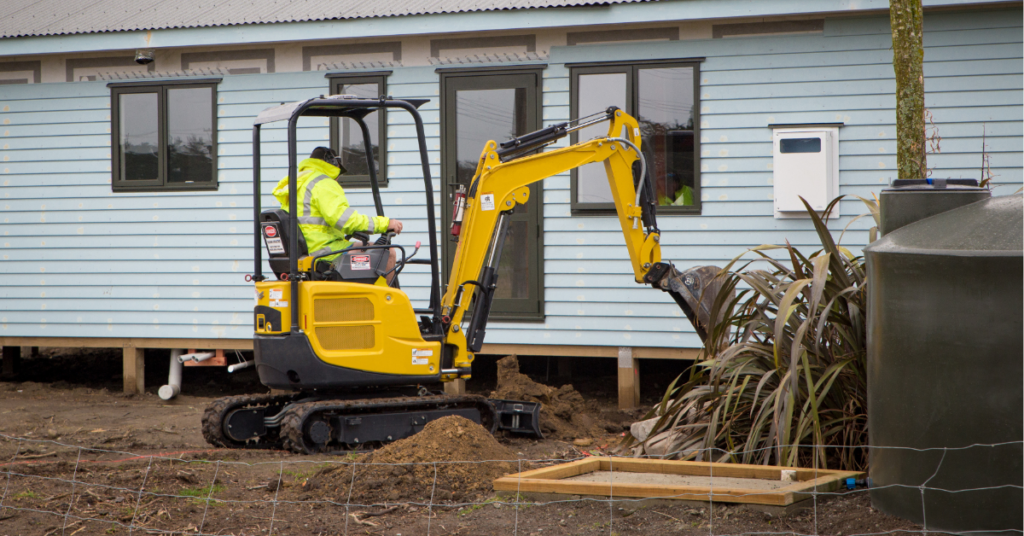
Excavation costs recorded the largest monthly increase in April, rising 7.9%. Piling and demolition costs also increased, by 1.6% and 1.3% respectively, largely because of higher fuel prices.
Diesel-related pressures were also reflected in broader construction elements, including:
- A 2.2% increase in site preparation costs.
- A 1.9% rise in substructure costs.
- A 1.9% increase in exterior works costs.
QV CostBuilder Spokesperson Martin Bisset said fuel had become the dominant cost driver in recent months amid ongoing conflict in the Middle East.
“What makes fuel different to other inputs is how broadly it feeds into the construction process – from machinery on site through to transport and materials – so the impact tends to build over time rather than show up all at once.”
Mr Bisset said the full impact of higher fuel costs may not yet be reflected in headline construction inflation figures.
What this means for people building
For homeowners and investors planning a build or renovation, construction costs remain an important consideration when budgeting and arranging finance.
While overall cost inflation is currently relatively contained, sudden increases in key inputs such as fuel can affect project timelines and final budgets. This is particularly relevant for larger projects involving significant earthworks, transport or heavy machinery.
People using construction loans should also remember that lenders generally release funds in stages as work is completed. Because of this, accurate budgeting and contingency planning can be especially important when costs are changing.
Anyone planning a build or renovation may benefit from advice on structuring finance and managing changing project costs. We’d welcome the opportunity to assist if a conversation would be useful.